What Nigerian Food Inflation Revealed About Corporate Cafeteria Contracts
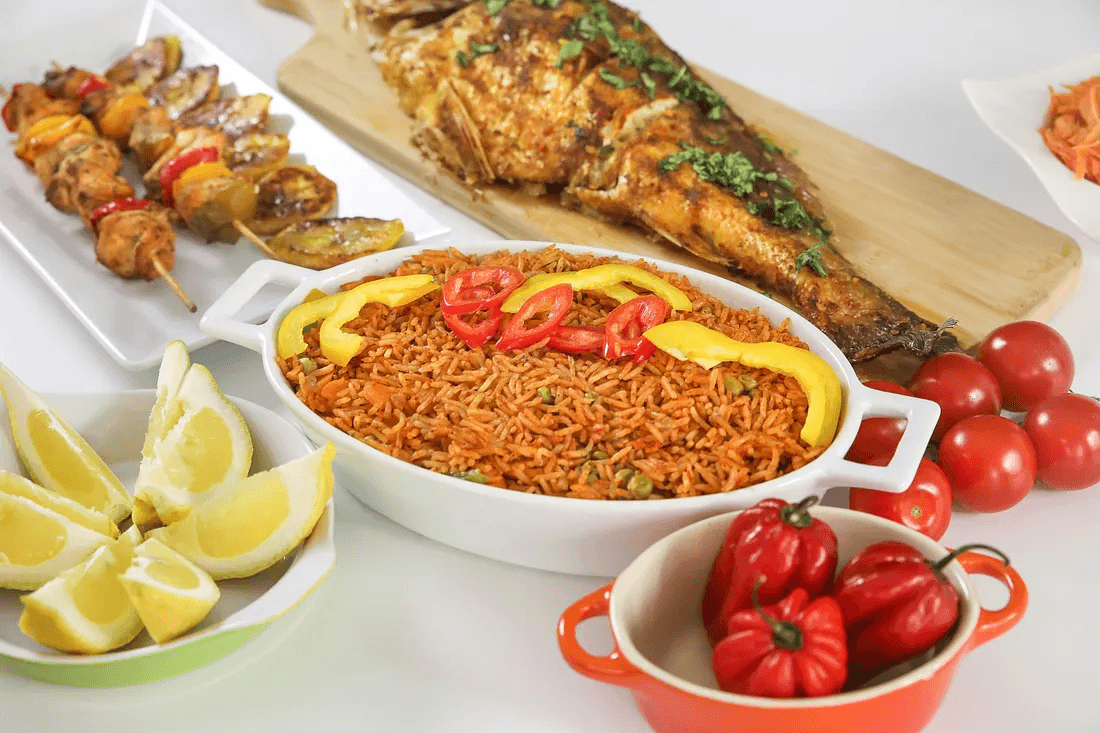
Between 2023 and 2025, Nigeria experienced some of the most severe food price inflation in its recent economic history.
Between 2023 and 2025, Nigeria experienced some of the most severe food price inflation in its recent economic history. At its peak, year-on-year food inflation reached 40%, driven by the naira devaluation, the removal of fuel subsidies, supply chain disruptions, and import cost escalations. For Nigerian households, this was a cost-of-living crisis. For Nigerian corporate cafeterias, it was a governance stress test, and most of them quietly failed it.
The failure was not dramatic. There were no public incidents, no mass vendor exits, no board-level crises. The failure was structural and invisible: the organisations that lacked formal cafeteria management systems simply absorbed the inflation in ways they could not measure, explain, or control.
Three Ways Unmanaged Cafeterias Absorb Inflation
Portion compression:
The first response of an unmanaged vendor under cost pressure is to reduce portions. It is the lowest-friction cost management tool available because, without a documented portion standard, no one can prove anything changed. In organisations without a portion compliance framework, this adjustment happens gradually, never triggering a formal complaint, just a slow accumulation of employee dissatisfaction that eventually surfaces in engagement surveys as “cafeteria quality has declined.”
Menu substitution:
The second response is ingredient substitution, replacing specified menu items with lower-cost alternatives without disclosure. Again, without a menu fulfilment tracking system, the organisation cannot measure the rate of substitution or its financial implications. The vendor is effectively repricing the contract unilaterally, in their favour, with each undisclosed substitution.
Quantity manipulation:
The third, and most financially significant, response is a reduction in the number of meals prepared relative to the contracted headcount. If consumption data is owned by the vendor and billing is based on contracted headcount rather than actual meals served, inflationary pressures create a direct financial incentive to serve fewer meals while billing for the same. Without a real-time transaction system on the organisation’s side, this variance would go undetected.
The Organisations That Managed It Differently
A small number of Nigerian organisations navigated the 2023–2025 inflationary period with their cafeteria costs intact, not because their vendors were more ethical, but because their systems made manipulation unprofitable. When a vendor knows that every meal is logged at the point of service, that daily consumption is reconciled against headcount, and that any menu substitution requires documented approval, they negotiate openly rather than silently absorb costs. Price renegotiations take place at the table, with both parties reviewing the same data.
That is the environment a structured cafeteria management system creates. It does not eliminate vendor pressure. It converts that pressure from a hidden operational risk into a transparent commercial conversation.
What This Means for 2026
Food inflation in Nigeria has moderated but remains unresolved. The underlying cost pressures, fuel, foreign exchange, and logistics have not fundamentally changed. Organisations that enter 2026 without a formal cafeteria oversight structure are entering another potential inflationary cycle with the same vulnerability that made 2023–2025 so expensive and so invisible.
Governance is not a fair-weather discipline. It is most valuable precisely when operational conditions are under pressure. Bucca is the system Nigerian corporates need to ensure that the next inflationary period is one they manage with data, not one that manages them with silence.